
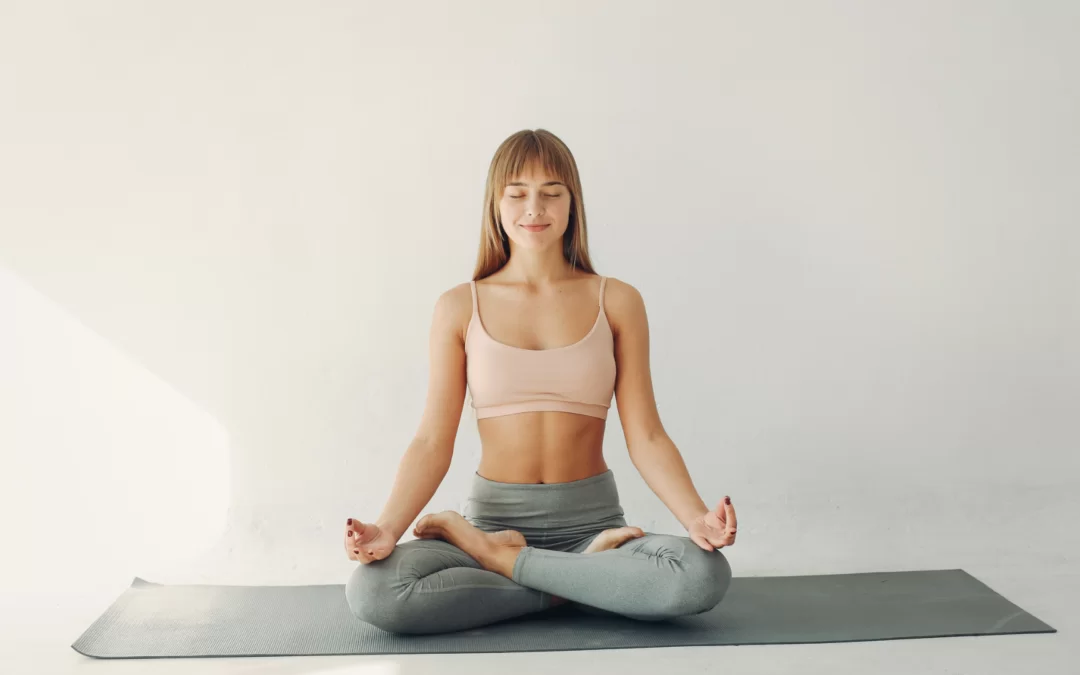

Meditation is a practical way to create moments of stillness in an increasingly busy life. People often move between work, family responsibilities, digital notifications, and daily commitments without taking enough time to pause. Meditation offers a simple opportunity to slow down, observe the present moment, and develop greater awareness of thoughts and feelings.
It does not require special equipment, advanced skills, or a large amount of free time. With patience and consistency, meditation can become a useful part of a balanced daily routine.
Understanding the Practice of Meditation
At its core, meditation involves intentionally paying attention. The focus may be placed on breathing, physical sensations, sounds, a repeated phrase, or another simple point of awareness.
The mind will naturally wander during a session. Instead of becoming frustrated, the practitioner notices the distraction and gently returns attention to the chosen focus. This repeated process is an important part of meditation.
The goal is not to force the mind to become completely empty. Rather, meditation encourages a more observant and less reactive relationship with everyday thoughts and emotions.
Different Approaches to Meditation
Meditation can be practiced in many ways. Different techniques appeal to different people, so beginners can experiment with simple methods.
Popular approaches include:
- Mindfulness meditation, which emphasizes present-moment awareness
- Breath-focused meditation, which uses breathing as an anchor
- Guided meditation, which follows spoken instructions
- Body awareness practices, which focus attention on physical sensations
- Compassion-focused meditation, which encourages kindness toward oneself and others
- Walking meditation, which combines gentle movement with focused awareness
There is no requirement to choose the most complicated method. A basic technique practiced regularly can be more useful than an elaborate routine that is difficult to maintain.
Creating a Comfortable Environment
A peaceful environment can make it easier to settle into meditation. Choose a location where interruptions are limited and sit in a position that feels comfortable.
You can meditate on a chair, cushion, or another supportive surface. There is no need to force your body into an uncomfortable posture.
Reduce distractions where possible. Turning off unnecessary notifications and setting aside a few uninterrupted minutes can help establish a sense of quiet.
Over time, returning to the same location may also make it easier to associate that space with relaxation and focused attention.
Starting a Simple Meditation Session
Beginners can start with just five minutes. Sit comfortably, relax your shoulders, and take a few natural breaths.
Bring your attention to the movement of the breath. Notice the sensation of breathing without trying to control it excessively.
Thoughts will probably appear. You may begin thinking about work, conversations, plans, or responsibilities. When this happens, acknowledge the distraction and gently return your attention to breathing.
Repeat this process throughout the session. There is no need to judge yourself when your attention wanders.
Developing Consistency
A short daily practice is often easier to maintain than occasional long sessions. Choose a time that fits naturally into your schedule.
Some people prefer practicing after waking up, while others meditate during a lunch break or before going to sleep. The best time is one that allows you to practice consistently without creating unnecessary pressure.
A realistic routine might begin with five to ten minutes per day. As meditation becomes familiar, the duration can be adjusted according to personal preference.
Meditation and Emotional Awareness
One useful aspect of meditation is the opportunity to observe emotions without immediately reacting to them. During a session, a person may notice frustration, excitement, worry, boredom, or other feelings.
Rather than trying to eliminate these experiences, meditation encourages observation. Recognizing an emotion can create a small amount of distance between the feeling and an immediate reaction.
This awareness can also be useful outside meditation. For example, noticing rising frustration during a difficult situation may make it easier to pause before responding.
Supporting Focus and Concentration
Modern life often encourages constant switching between tasks. Meditation provides practice in returning attention to one thing.
Each time the mind wanders and attention is brought back, the practitioner is exercising the ability to refocus. This can make meditation particularly appealing to people who want to develop a more intentional approach to attention.
It is important to maintain realistic expectations. Concentration develops gradually, and occasional distraction is completely normal.
Common Challenges for Beginners
Many beginners assume they are doing meditation incorrectly because their minds remain active. In reality, wandering thoughts are a normal part of the practice.
Other challenges may include restlessness, boredom, discomfort, or difficulty maintaining a regular schedule. These experiences do not mean meditation has failed.
Instead of demanding perfection, focus on returning to the practice. Even a brief session can reinforce the habit of making time for awareness.
Making Meditation Part of a Healthy Lifestyle
Meditation can complement other healthy habits, including regular movement, nutritious eating, adequate sleep, meaningful relationships, and time away from excessive digital stimulation.
It should not be treated as a replacement for professional care when someone is dealing with a significant health concern. Instead, it can be one practical component of a broader approach to well-being.
Conclusion
Meditation is a simple practice that can help people slow down, observe their experiences, and create moments of greater awareness during busy days. It does not require perfection or complicated techniques. Starting with a few quiet minutes and practicing consistently can provide a practical foundation.
With patience, meditation can become more than a scheduled activity. It can encourage a calmer, more attentive approach to everyday experiences and help create valuable space for reflection in a demanding world.
Comments are closed.