
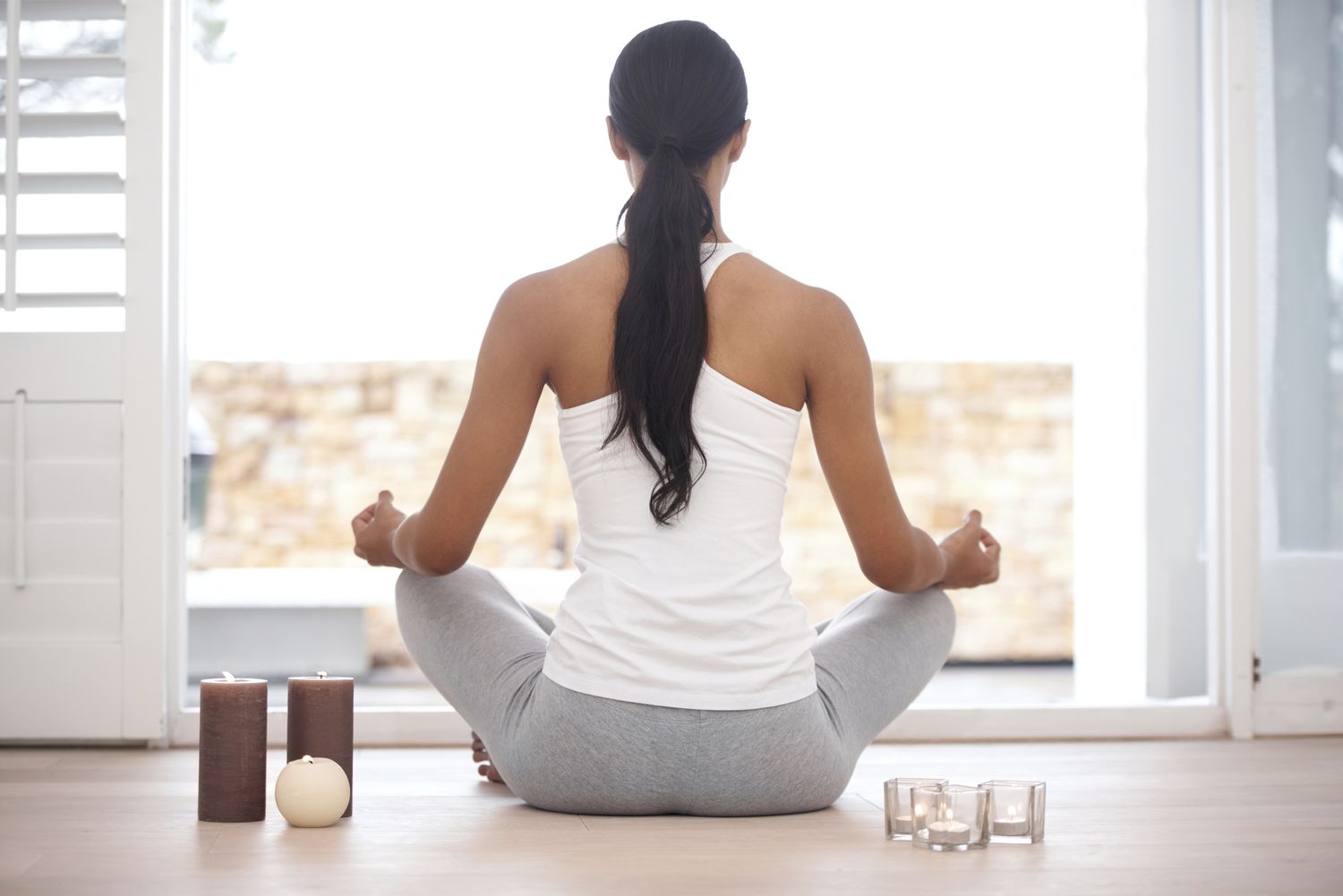

Meditation is a simple practice that encourages people to slow down, focus their attention, and become more aware of the present moment. In a busy world filled with work, responsibilities, notifications, and constant distractions, finding a few quiet minutes can provide a valuable opportunity to pause and reset.
Meditation does not require expensive equipment or a complicated routine. It can be practiced almost anywhere and adapted to different lifestyles. With regular practice, many people use meditation as a way to develop greater calm, focus, and awareness in everyday life.
What Is Meditation?
Meditation involves intentionally directing attention toward a particular focus, such as breathing, physical sensations, a phrase, or the present moment. When thoughts become distracting, the practitioner gently brings attention back to the chosen focus.
The purpose is not necessarily to stop thinking. The mind naturally produces thoughts, memories, plans, and emotions. Meditation teaches people to notice these experiences without becoming completely absorbed by them.
Different approaches have different goals, but many share the idea of developing awareness and a more balanced relationship with thoughts and emotions.
Common Types of Meditation
There are several forms of meditation, allowing people to choose an approach that suits their preferences.
Some common styles include:
- Mindfulness meditation, which emphasizes awareness of thoughts, feelings, and sensations
- Breathing meditation, which uses the natural rhythm of breathing as a focus
- Guided meditation, where spoken instructions lead the practitioner through a session
- Loving-kindness meditation, which focuses on developing feelings of goodwill and compassion
- Body scan meditation, which involves paying attention to sensations throughout the body
Beginners do not need to master every technique. Starting with one simple method can make the practice easier to understand and maintain.
Benefits of Regular Meditation
Meditation is often associated with relaxation, but its potential benefits can extend beyond a few peaceful minutes. Regular practice may help people become more aware of their mental patterns and respond to everyday situations more thoughtfully.
Many people practice meditation to support:
- Greater mental calm
- Improved concentration
- Better awareness of emotions
- Reduced feelings of everyday stress
- A more balanced response to challenges
- Greater self-awareness
- A stronger sense of relaxation
Individual experiences differ, and meditation should not be viewed as a guaranteed solution for every problem. However, it can be a useful addition to a broader approach to physical and emotional well-being.
How Beginners Can Start
Starting meditation can be surprisingly simple. Find a quiet and comfortable place where you are unlikely to be interrupted. Sit in a comfortable position and allow your body to relax without forcing it into a particular posture.
Close your eyes if that feels comfortable, or keep them softly focused. Begin noticing your natural breathing. Pay attention to the sensation of breathing in and out.
When your mind wanders, simply notice that it has wandered and gently return your attention to your breath. There is no need to criticize yourself for becoming distracted.
Start with a few minutes and gradually increase the duration if you find the practice useful.
Creating a Consistent Routine
Consistency is often more valuable than practicing for a long time occasionally. Choose a time of day that fits naturally into your schedule. Some people prefer meditating in the morning, while others find it useful before bed or during an afternoon break.
A regular routine can make meditation feel like an ordinary part of the day rather than another task on a busy schedule.
Consider keeping your meditation space simple and comfortable. You do not need a special room. A quiet corner, chair, cushion, or peaceful outdoor location can work well.
Meditation and Daily Stress
Everyday stress can make it difficult to remain focused and relaxed. Meditation provides an opportunity to pause before immediately reacting to thoughts or situations.
For example, after a stressful conversation, taking several minutes to sit quietly and focus on breathing may create space to process emotions more calmly. Over time, regular practice may help people become more aware of how they respond to pressure.
Meditation does not remove life’s challenges. Instead, it can encourage a more deliberate approach to experiencing them.
Common Mistakes to Avoid
Beginners sometimes expect meditation to produce complete mental silence. This expectation can create unnecessary frustration. Thoughts are a normal part of the experience.
Other common mistakes include trying to meditate perfectly, choosing sessions that are too long at the beginning, or giving up after a few distracted attempts.
Meditation is a practice, not a performance. The ability to notice distraction and return attention to the present is itself part of the process.
Making Meditation Part of Everyday Life
Meditation can complement other healthy habits such as regular exercise, adequate sleep, nutritious eating, and meaningful social connections. It does not have to take up a large portion of the day.
Even a short period of intentional awareness can provide a useful pause between activities. The key is finding an approach that feels realistic and sustainable.
Conclusion
Meditation offers a practical way to develop greater awareness, calm, and focus in daily life. Whether practiced for a few minutes or incorporated into a longer routine, it can provide valuable time to slow down and reconnect with the present moment.
The most important step is simply to begin. With patience and regular practice, meditation can become a meaningful part of a balanced lifestyle and a useful tool for navigating the demands of modern life.
Comments are closed.