
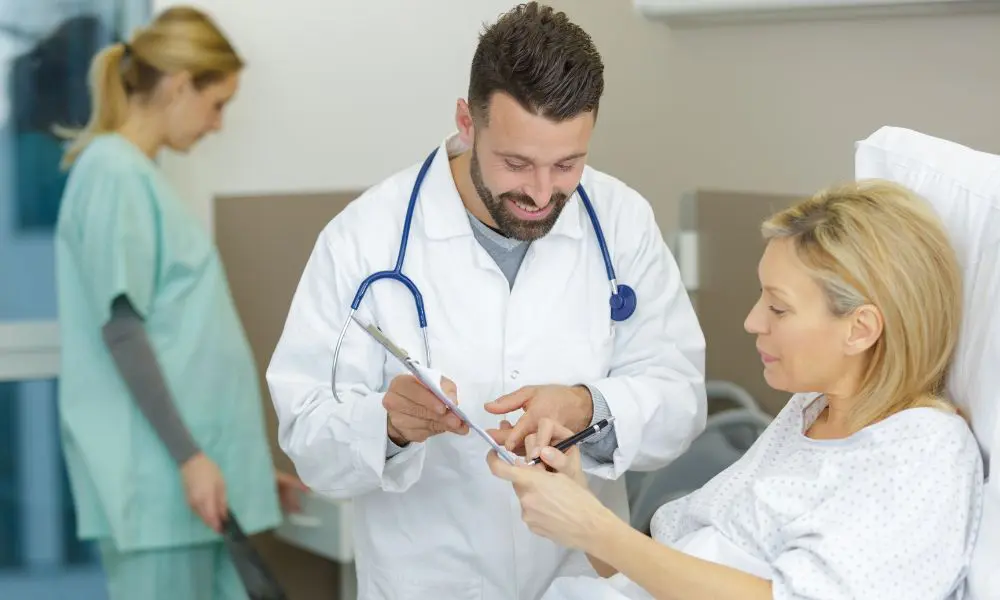

Treatment is an essential part of healthcare that helps people recover from illness, manage long-term conditions, reduce symptoms, and improve their quality of life. Depending on the health concern, treatment can involve medication, therapy, lifestyle changes, medical procedures, rehabilitation, or several approaches used together.
Because every person has different health needs, there is no universal treatment that works for everyone. Appropriate care begins with understanding the condition and working with qualified healthcare professionals to choose a suitable approach.
Understanding the Purpose of Treatment
The purpose of treatment can vary significantly. Some treatments are designed to eliminate an illness, while others focus on controlling symptoms or preventing a condition from becoming worse.
Treatment may be used to:
- Reduce pain or discomfort
- Fight infections or other illnesses
- Repair injuries
- Manage chronic health conditions
- Improve physical function
- Support recovery after medical procedures
- Prevent complications
- Improve overall quality of life
Understanding the purpose of a treatment can help patients participate more actively in their healthcare decisions.
Diagnosis Comes First
Before choosing a treatment, healthcare professionals usually need to understand what is causing a patient’s symptoms. Different conditions can produce similar signs, so treating a symptom without identifying its cause may not always be effective.
A healthcare professional may review medical history, perform a physical examination, or recommend diagnostic tests. Depending on the situation, these may include blood tests, imaging, or other assessments.
Once the available information has been evaluated, the healthcare professional can explain the likely condition and discuss appropriate treatment options.
Different Treatment Approaches
Medical treatment can take many forms. Medication is commonly used for infections, pain, inflammation, and numerous other conditions. Some medicines are taken for a short period, while others may be needed for long-term management.
Therapy is another important option. Physical therapy can help people recover movement and strength after injuries or certain medical conditions. Counseling and behavioral therapies may support people dealing with emotional or behavioral challenges.
In some circumstances, surgery or another medical procedure may be recommended. Rehabilitation can then help support recovery and restore everyday function.
Lifestyle Changes and Treatment
For many health concerns, lifestyle habits can complement professional treatment. Depending on the individual’s situation, healthcare providers may recommend changes involving nutrition, exercise, sleep, stress management, or other daily behaviors.
Useful habits may include:
- Eating a varied and balanced diet
- Staying appropriately physically active
- Getting sufficient sleep
- Drinking enough fluids
- Managing everyday stress
- Avoiding tobacco and other harmful substances
- Following recommended medical appointments
Lifestyle changes should be tailored to individual needs. People with medical conditions should seek professional guidance before making significant changes that could affect their health.
Following Treatment Instructions
Once a treatment plan has been established, following the instructions carefully is important. This may involve taking medication at specific times, attending therapy sessions, completing exercises, or returning for follow-up appointments.
If instructions are difficult to understand, ask the healthcare professional for clarification. Patients should also communicate if a treatment is difficult to follow because of cost, scheduling, discomfort, or other concerns.
Do not independently change the dose, frequency, or duration of prescribed medication without appropriate medical advice.
Monitoring the Treatment Process
Treatment often requires ongoing evaluation. A healthcare professional may need to determine whether symptoms are improving, whether side effects are occurring, or whether the treatment should be adjusted.
Patients can help by paying attention to changes in their condition and reporting important developments. Keeping notes about symptoms, medication use, or changes in daily functioning may make follow-up conversations more useful.
Treatment plans can change over time. A different approach may be necessary if the original treatment does not provide the expected results.
Understanding Benefits and Risks
Every treatment has potential advantages and limitations. Before starting a significant treatment, patients should understand why it has been recommended and what outcomes may reasonably be expected.
It is also important to ask about possible side effects, risks, alternatives, and follow-up requirements. This information allows patients to make decisions with a clearer understanding of their options.
A healthcare professional can explain which considerations are particularly relevant to the individual’s situation.
The Value of a Second Opinion
For serious diagnoses or major treatment decisions, seeking a second professional opinion can sometimes be helpful. Another qualified healthcare professional may confirm the original recommendation, provide additional information, or discuss other possible approaches.
A second opinion should not automatically be viewed as a rejection of the first doctor’s advice. It can simply provide additional perspective when a decision is especially important.
Patient and Professional Communication
Effective treatment depends on communication. Patients should provide accurate information about symptoms, medications, allergies, previous treatments, and relevant health history.
They should also feel comfortable asking questions. Understanding the treatment plan can reduce confusion and encourage active participation.
Important questions may include:
- What is the goal of this treatment?
- How long might treatment take?
- What changes should I expect?
- What side effects should I watch for?
- When should I return for follow-up?
- Are there alternative treatment options?
Conclusion
Treatment is not a single process or solution. It can involve medicines, therapies, procedures, rehabilitation, lifestyle changes, and ongoing monitoring. The right approach depends on the condition and the individual receiving care.
Accurate diagnosis, professional guidance, careful follow-up, and clear communication can make treatment more effective and understandable. By taking an active role in their healthcare and seeking appropriate professional advice, patients can make informed decisions and take meaningful steps toward recovery and long-term well-being.
Comments are closed.